

When you have rosacea, choosing a day cream can be a real headache: some sting, others cause a burning sensation, and many do very little. This guide will help you make sense of it all: which ingredients to look for, which to avoid, what types of skincare are available, and how to build a simple routine.
Note: rosacea is a skin condition that requires dermatological care. Cosmetics are not a treatment, but they play an important role in keeping the skin comfortable day to day. This article was written by Novëm, a skincare brand for sensitive skin.
Understanding the needs of skin prone to rosacea
Skin prone to rosacea often has a weakened skin barrier: it retains less water and offers less protection against irritants. A good cream should therefore do more than just moisturize: it must also nourish the skin with lipids and help restore its comfort without causing irritation.
What dermatologists generally recommend
- A short routine: fewer products, simple formulas.
- Gentleness: no scrubs, no rubbing, lukewarm water.
- Daily sun protection, all year round, as sun exposure is one of the main aggravating factors.
- Suitable treatment if needed: certain active ingredients, such as high-concentration azelaic acid, metronidazole, or ivermectin, are medical treatments prescribed by a doctor. They do not replace daily skincare, and vice versa.
Ingredients to look for in a cream
- Essential fatty acids and ceramides: they nourish the skin barrier. Walnut oil, naturally rich in omega-3 and omega-6 fatty acids, is an excellent source. For more information: the role of essential fatty acids.
- Niacinamide: well tolerated, it helps strengthen the barrier and even out skin tone.
- Prebiotics: they help maintain the balance of the skin microbiome.
- Hyaluronic acid and glycerin: they retain water in the skin.
- Panthenol: it soothes areas of weakened skin.
Ingredients to avoid
- High concentrations of denatured alcohol
- Menthol, camphor, and warming essential oils (mint, eucalyptus, cinnamon)
- Physical scrubs and powerful exfoliating acids
- Complex formulas: the more ingredients there are, the greater the risk of a reaction
The different types of skincare and what they are used for
| Type of skincare | Who it is for / when to use it |
|---|---|
| Lipid-replenishing cream (fatty acids, ceramides) | Daily use for skin that feels tight and reacts easily |
| Sensory soothing cream | For skin that stings or burns |
| Tinted skincare with SPF | To even out skin tone and protect from the sun in one step |
| Repair balm (panthenol) | For occasional use on severely irritated areas |
| Mineral sun protection | Every morning, as the final step |
| Prescribed treatment | Based on medical advice, especially in cases of blemishes |
Our approach at Novëm
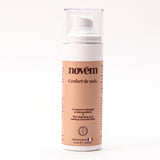
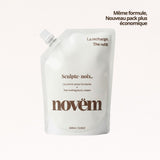
We formulated the Éclat de Noix cream for sensitive skin prone to redness. It combines organic walnut oil, hyaluronic acid, and prebiotics to moisturize, soothe, and protect the skin barrier. It won the Victoires de la Beauté 2025 award. It is not a treatment for rosacea: it is a daily skincare product to use alongside your ongoing care.
“Having suffered from rosacea for several years, the Novëm duo soothes redness and is super hydrating!” — Sandrine, verified customer
A gentle daily routine
- In the morning: rinse with lukewarm water, apply Éclat de Noix cream, then mineral sun protection.
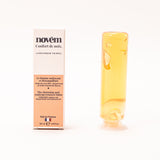
- In the evening: gently remove makeup with the Cleansing Balm, without rubbing, then apply 5 to 6 drops of Joli Minoix oil on its own.
👉 These products are available in our Soothing Routine. The cream + oil duo is a great place to start.
Frequently asked questions
Which day cream should I choose if I have rosacea?
A cream with a simple formula, free from strong fragrances and warming essential oils, that nourishes the barrier (fatty acids, ceramides) and moisturizes. Test it on a small area first.
Can a cream make rosacea disappear?
No. A cosmetic product improves skin comfort and the appearance of redness, but rosacea must be managed with a dermatologist.
Should I use a rich or light cream?
A melting texture that absorbs well, without leaving an occlusive film. Oils rich in linoleic acid, such as walnut oil, nourish without feeling heavy.
Can I use a facial oil if I have rosacea?
Yes, if it is carefully chosen and applied in small amounts in the evening. See our guide to the best oils for sensitive skin.
🌰 Discover our skincare for sensitive skin and redness.

