

Introduction
In the world of natural cosmetics, several plant-based oils and extracts are highlighted for their skin benefits. Grape seed oil and flaxseed oil are often cited for their antioxidant and nourishing properties. However, a lesser-known ingredient in cosmetics that boasts remarkable efficacy stands out: the walnut.
Rich in polyphenols, omega-3s, and vitamin E, the walnut possesses exceptional properties for the skin, superior to those of grapes and flax in several respects. In this article, we will compare these three ingredients to understand why the walnut is establishing itself as an essential active ingredient in natural cosmetics.
1. Composition and properties of the three ingredients
The walnut: a unique richness in polyphenols and omega-3s
- Polyphenols: Powerful antioxidants that fight skin aging by neutralizing free radicals.
- Omega-3s: Essential fatty acids that strengthen the skin barrier and improve skin elasticity.
- Vitamin E: Protects cells against external aggressors and promotes skin regeneration.
🔎 Why is this interesting? The combination of polyphenols and omega-3s in the walnut is unique and gives this ingredient a dual action: antioxidant protection and deep cellular repair.
Grape: an excellent antioxidant but limited action on hydration
- Resveratrol: Powerful polyphenol that protects against oxidative stress and external aggressions.
- Omega-6s: Provide suppleness and hydration, but are less penetrating than omega-3s.
- Vitamin C: Stimulates collagen production and improves complexion radiance.
🔎 Why is this interesting? Grape seed oil is recognized for its antioxidant effect, but it is less rich in essential fatty acids than the walnut, making it less effective for deeply nourishing the skin.
Flax: an oil rich in omega-3s but not very stable
- Omega-3s: Alpha-linolenic acid (ALA) that soothes irritation and regenerates the skin.
- Omega-6s: Help to maintain hydration.
- Lignans: Antioxidants with anti-inflammatory properties.
🔎 Why is this interesting? Flaxseed oil is rich in omega-3s, but it is highly sensitive to oxidation, which makes it less stable and more difficult to use in cosmetics than walnut oil.
2. Comparison of skin benefits
| Property | Walnut | Grape | Flax |
|---|---|---|---|
| Antioxidant power | ✅✅✅ (Polyphenols + vitamin E) | ✅✅ (Resveratrol) | ✅ (Lignans) |
| Anti-aging protection | ✅✅✅ | ✅✅ | ✅ |
| Action on elasticity | ✅✅✅ (Omega-3s) | ✅✅ | ✅✅ |
| Intense hydration | ✅✅✅ (Omega-3s and 6s) | ✅ | ✅✅ |
| Soothing irritation | ✅✅✅ | ✅ | ✅✅ |
| Stability and shelf life | ✅✅✅ (Stable and effective) | ✅✅✅ | ❌ (Rapid oxidation) |
👉 Conclusion: The walnut stands out clearly with a complete action on the skin, combining hydration, protection, and regeneration.
3. Why choose walnut in cosmetics?
A unique synergy between antioxidants and essential fatty acids
Unlike grapes, which are mainly focused on anti-oxidation, and flax, which is primarily rich in fatty acids, the walnut brings together the best of both worlds. It offers both anti-aging protection and intense nourishment.
A stable oil that is easy to formulate
Walnut oil is more stable than flaxseed oil and more versatile than grape seed oil, making it an ideal ingredient for sustainable and effective cosmetic formulations.
A local and sustainable commitment
Using walnut in cosmetics supports local and responsible farming, while benefiting from a traceable and environmentally friendly ingredient.
4. How to incorporate walnut into your beauty routine?
- Pure oil: A few drops on the face morning and evening for nourished and protected skin.
- Repairing balm: Ideal for dry skin or skin damaged by the cold.
- Polyphenol serum: For targeted anti-aging action.
- Moisturizing cream enriched with walnut oil: Maintains skin elasticity and protects against external aggressions.
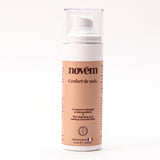
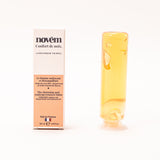
👉 Which products to choose? The Novëm Radiant Care Oil, enriched with walnut polyphenols and vitamin E, offers optimal protection against skin aging and strengthens the hydrolipidic barrier.
FAQ: Everything you need to know about the walnut and its skin benefits
Why is walnut better for the skin than grapes?
The walnut contains more omega-3s and polyphenols, which gives it superior anti-aging and hydrating action compared to grapes, which are primarily antioxidant.
Is walnut oil suitable for sensitive skin?
Yes, thanks to its soothing and restorative properties, it is suitable for sensitive, dry, and reactive skin.
Why is flaxseed oil less used in cosmetics?
Although rich in omega-3s, flaxseed oil is unstable and oxidizes quickly, which limits its use in long-lasting skincare products.
What are the best walnut-based skincare products for radiant skin?
Oils and balms enriched with polyphenols and vitamin E, such as the Novëm Radiant Care Oil, offer optimal protection and hydration.
Conclusion
While grapes and flax have their own benefits in cosmetics, the walnut stands out due to a unique synergy between antioxidants and essential fatty acids. It hydrates, protects, and slows down skin aging optimally.
👉 Discover Novëm skincare: The Radiant Care Oil and the Walnut Balm, formulated with walnut extracts for radiant and perfectly protected skin.
Sources
- Journal of Investigative Dermatology - Study on polyphenols and skin aging.
- British Journal of Nutrition - Research on the benefits of omega-3s for the skin.
- Boston Institute for Dermatological Research - Comparison of vegetable oils in cosmetics.

