

In 2026, the world of cosmetics is making a big mea culpa. After years of overusing exfoliating acids, chemical peels, and pure retinol, our skin is saying stop. The result? Redness sets in, skin feels tight, and blemishes appear for no reason.
This is where the major trend of the year comes in: Barrier-First Skincare. The goal is no longer to attack the skin to renew it, but to protect and repair its skin barrier above all else.
Discover why this paradigm shift is essential for your skin and how the walnut, a treasure of our regions, is the ultimate ally in this reconstruction.
What is Barrier-First Skincare?
The principle is simple: put the health of your hydrolipidic film at the center of your skincare routine.
Think of your skin barrier as a brick wall. The bricks are your skin cells, and the cement is made of lipids (ceramides, cholesterol, fatty acids). When this cement crumbles due to overly aggressive cleansing or stress, water evaporates (dehydration) and bacteria infiltrate (redness, pimples).
The Barrier-First Skincare mantra: Healthy skin isn't perfect skin, it's skin that knows how to defend itself.
3 signs your skin barrier is damaged
If you experience any of these symptoms, your natural shield is likely impaired:
-
Persistent redness: Your skin reacts instantly to changes in temperature, tap water, or emotions.
-
Tightness after cleansing: If your skin feels "too small" after washing your face, your cleanser is stripping your natural oils.
-
Unusual sensitivity: Products you tolerated perfectly well yesterday start to burn or sting today.
Why the walnut is the ideal ingredient for repairing the hydrolipidic film
To rebuild this famous skin "cement," your skin is hungry for high-quality lipids. This is exactly where the walnut excels.
Walnut oil has a unique and ultra-biomimetic fatty acid profile (which resembles the lipids naturally produced by our skin to a T):
-
Omega-3 and 6: These essential fatty acids are not produced by the body. Applied to the skin, they calm internal inflammation and stop redness in its tracks.
-
Vitamin E: A powerful antioxidant that protects skin cells from external stressors (pollution, UV) while they repair.
-
A non-comedogenic texture: Unlike coconut oil, which can clog pores, walnut oil is light, absorbs quickly, and is even suitable for combination to oily skin suffering from inflammation.
The Novem SOS routine for soothing skin
To practice Barrier-First Skincare every day, the golden rule is skinimalism: fewer products, more gentleness.
Step 1: Ultra-gentle cleansing
Banish harsh foaming gels. Opt for a gentle, sulfate-free cleanser with lukewarm water (never hot, as it aggravates redness).
Step 2: Targeted Novem nutrition
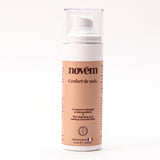
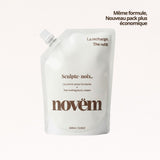
Apply your Novem skincare rich in walnut active ingredients. By providing the right fatty acids daily, you help your skin rebuild its shield in just a few days. Redness fades, and the skin regains its plumpness and comfort.
FAQ: Your questions about the skin barrier
How long does it take to repair the skin barrier?
With an appropriate routine and the cessation of aggressive active ingredients, it generally takes between 2 and 4 weeks for the hydrolipidic film to fully regenerate.
Is walnut oil suitable for acne-prone skin?
Yes! Acne is often an inflammatory condition. Thanks to its high content of anti-inflammatory omega-3s, walnut oil helps calm breakouts without clogging pores.

