

It's a sensation many people know: a sudden burst of stress, a change in temperature, or a glass of wine, and your cheeks flush in a few seconds. This sudden, intense redness has a name: a flush. When it becomes regular and persistent, it's called erythrosis.
These repeated flushes reflect a highly reactive network of small blood vessels in the skin. Here's how to understand them and what you can do to soothe them every day.
What are a flush and erythrosis?
A flush is a vasodilatory reaction: the small blood vessels in the face suddenly dilate, and blood rushes to the surface of the skin.
When these episodes recur, the redness, initially temporary, can become diffuse and persistent, particularly on the cheeks and the sides of the nose: this is erythrosis. If small blood vessels become visible, it's called couperose. These conditions may be part of rosacea, which should be assessed by a dermatologist.
An often underestimated factor: a weakened skin barrier provides less protection against temperature fluctuations and external irritants, making the skin more reactive.
The most common triggers
- Moving from cold to warm (and vice versa)
- Stress and emotions
- Alcohol, spicy foods, very hot drinks
- Sun exposure and physical exertion
- Irritating cosmetics
What walnut oil offers to skin prone to redness
Concealing redness with a green corrector isn't enough to make the skin feel comfortable. The skin barrier also needs to be cared for. This is where walnut oil comes in:
- Vitamin E and polyphenols are antioxidants that help protect the skin from oxidative stress.
- Omega-3 and omega-6 fatty acids help maintain the structure of the skin barrier and keep the skin comfortable.
- Barrier nourishment helps the skin better tolerate temperature fluctuations, one of the main triggers of redness.
To learn more: the real role of essential fatty acids.
A gentle anti-redness routine
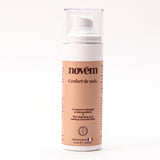
🌅 In the morning: apply Éclat de Noix cream to clean skin to hydrate and protect, then apply sunscreen.
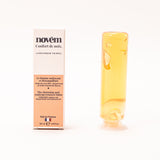
🌙 In the evening: gently remove makeup with the Cleansing Balm, then apply 5 to 6 drops of Joli Minoix oil directly to the face.
👉 Together, the cream and oil form our Anti-Redness Duo.
FAQ: everything you need to know about flushes and erythrosis
What is the difference between a flush and rosacea?
A flush is a sudden, temporary redness triggered by a specific factor (emotion, heat). Rosacea is a more comprehensive chronic condition that may include permanent redness, visible small blood vessels, or pimples. It should be monitored by a dermatologist.
Why does stress cause sudden redness?
Under stress, the body releases adrenaline: the heart rate increases and the blood vessels in the face dilate, causing a flush.
Can diet trigger flushes?
Yes. Spicy foods, very hot drinks, alcohol, and certain foods high in histamine (aged cheeses, charcuterie) are frequent triggers.
How can you soothe a flush in the moment?
Apply a cool water compress (not ice-cold, to avoid thermal shock), breathe calmly, and move away from the heat source. In the evening, opt for a nourishing routine.
What ingredients should you avoid if you have erythrosis?
Denatured alcohol, menthol, eucalyptus, and synthetic fragrances are often poorly tolerated. Also avoid physical exfoliants and avoid rubbing the skin as much as possible.
🌰 Discover our skincare for sensitive skin and redness.

