

The epidermis is in a silent war. Persistent redness, chronic irritation, or eczema flare-ups… behind these symptoms often lies a disruption: inflammation.
In our approach to plant-based lipid therapy, we do not seek to mask the fire, but to neutralize it at its source. The key lies in Essential Fatty Acids (EFAs), and more specifically Omega-3s, lipids that your body craves to build its defenses.
Discover how this category of powerful active ingredients is the scientific solution for atopic and sensitive skin, and why our choice of a specific plant-based source makes all the difference.
Understanding Skin Inflammation (The Problem)
What is the inflammatory response?
Skin turns red, feels hot, and itches when the immune system reacts to an aggression. This is not a flaw, but a defense mechanism. However, in atopic or very dry skin, this response is often excessive or poorly regulated. Chronic inflammation accelerates collagen degradation and weakens the "cement" of the skin barrier.
The Role of the Omega-6 / Omega-3 Imbalance
Lipids are signaling molecules. Omega-6s are necessary, but in excessive amounts or without a counterweight, they can promote the production of pro-inflammatory mediators. Omega-3s, on the contrary, are the great regulators. They step in to calm the chemical storm within the skin. A targeted topical supply of Omega-3s therefore helps to harmonize this ratio.
Omega-3s: Essential Lipids for the Skin (The Solution)
The Three Forms of Omega-3: ALA, EPA, and DHA
There are three main forms of Omega-3, each playing a role:
-
ALA (Alpha-Linolenic Acid): The plant-based form found in seeds and nuts. The body converts it into EPA and DHA. It is the most stable form for topical application.
-
EPA and DHA: The immediately active forms, mainly derived from marine environments.
Anti-Inflammatory and Lipid-Replenishing Action
Integrating Omega-3s into your skincare offers a fundamental dual action:
-
Anti-Inflammatory Action: Omega-3s reduce the synthesis of molecules responsible for redness and swelling, thereby soothing the pruritus (itching) associated with dryness and eczema.
-
Lipid-Replenishing Action: They are essential components of cell membranes. Applying them repairs the skin barrier, making it more resistant to allergens and water loss.
The Best Sources of Omega-3 in Cosmetics
Marine vs. Plant-Based Sources
While marine oils (fish, algae) are very rich in EPA/DHA, they are often heavy to formulate, unstable (prone to rapid oxidation), and can present odor issues.
Plant-based oils are the ideal alternative: they are stable, ethical, and better tolerated. Notable examples include Linseed and Hemp oils.
Why the Profile of Walnut Oil is Superior
We have chosen walnut oil (Juglans Regia) because its Alpha-Linolenic Acid (ALA) profile is one of the highest in the plant kingdom (up to 15%).
This unique Omega-3 balance offers two decisive advantages:
-
Serenity: Unprecedented anti-inflammatory efficacy for daily care.
-
Stability: The lipid composition of walnut oil makes it perfectly compatible with our high-tolerance formulations.
Usage Protocol for Atopic Skin
When and How to Apply Omega-3 Concentrates
To maximize the anti-inflammatory effect:
-
The Timing: Apply in the evening. It is while you sleep that the skin activates its repair mechanisms, making the intake of Omega-3s optimal.
-
The Technique: Apply a few drops of the concentrate to problem areas (patches, diffuse redness) before your usual moisturizer.
H3: Our Walnut Nectar Serum: The Lipid Prescription
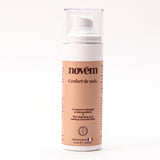
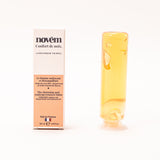
Our Walnut Nectar Concentrated Serum has been designed as a targeted supplementary therapy. It provides a superior supply of Omega-3s, acting as a biological dressing for atopic and sensitive skin.
➡️ For soothed and strong skin: discover our Walnut Nectar serum, the Omega-3 and NovoRetin concentrate
Conclusion: The Return to Calm
Inflammation is not inevitable. By understanding the science of Omega-3s and integrating them into your routine in a targeted way, you provide your skin with the tools necessary to regulate its inflammatory response and rebuild its skin barrier from within.
Choose a clinical approach and restore calm to your epidermis.

